Step into the world of market research for product development, where uncovering customer needs and preferences is the key to success. Get ready for a journey filled with data-driven discoveries and strategic insights!
This captivating guide will walk you through the intricacies of market research, from defining objectives to analyzing data and implementing personalized marketing strategies.
Introduction to Market Research for Product Development
Market research plays a crucial role in the process of product development. It involves gathering and analyzing information about the target market, customers’ needs, preferences, and behaviors to make informed decisions. By conducting market research, businesses can better understand their audience and tailor their products to meet specific demands.Market research helps in identifying customer needs and preferences by collecting data on consumer behavior, buying patterns, and feedback.
This information allows businesses to create products that align with what customers are looking for, ultimately increasing the likelihood of success in the market.One of the key benefits of market research in product development is its ability to reduce risks. By understanding the market landscape, competition, and consumer trends, businesses can make strategic decisions that minimize the chances of failure.
This proactive approach helps companies avoid costly mistakes and improve the chances of launching successful products.
Types of Market Research
Market research plays a crucial role in product development by providing valuable insights into consumer preferences and market trends. There are two main types of market research: primary research and secondary research.
Primary Research Methods
Primary research involves collecting data directly from consumers through surveys, interviews, and focus groups. These methods allow companies to gather firsthand information about consumer behavior, preferences, and feedback.
- Surveys: Surveys are questionnaires designed to gather information from a large number of respondents. They can be conducted online, over the phone, or in person.
- Interviews: Interviews involve one-on-one conversations with consumers to delve deeper into their thoughts, opinions, and experiences. They provide qualitative insights that can inform product development decisions.
- Focus Groups: Focus groups bring together a small group of participants to discuss a specific product or topic. They allow for in-depth discussions and observations of consumer reactions.
Secondary Research Methods
Secondary research involves analyzing existing data and reports to gain insights into market trends, competitor strategies, and consumer behavior. This type of research relies on information that is already available, such as industry reports, academic studies, and government publications.
- Industry Reports: Industry reports provide comprehensive data on market trends, consumer demographics, and competitor analysis. They offer valuable insights into the competitive landscape and potential opportunities for product development.
- Academic Studies: Academic studies can offer in-depth analysis of consumer behavior, market dynamics, and emerging trends. They provide a wealth of information that can inform product development strategies.
- Government Publications: Government publications, such as census data and economic reports, can provide valuable insights into consumer demographics, spending patterns, and regulatory changes that may impact product development.
Qualitative vs. Quantitative Research Approaches
Qualitative research focuses on understanding consumer motivations, perceptions, and behaviors in a deeper, more nuanced way. It involves gathering rich, descriptive data through methods like interviews and focus groups. On the other hand, quantitative research involves collecting numerical data and analyzing it statistically to identify patterns and trends. Surveys are a common method used in quantitative research to gather data from a large sample size and draw statistically significant conclusions.Overall, a combination of qualitative and quantitative research approaches can provide a comprehensive understanding of consumer needs and preferences, guiding product development decisions effectively.
Conducting Market Research
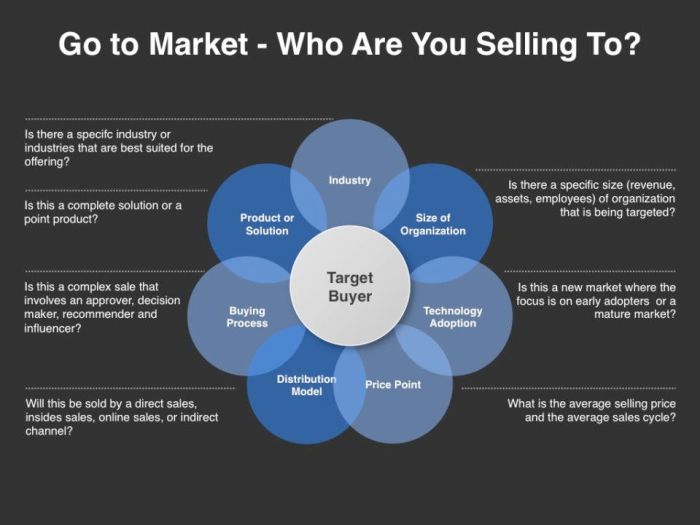
Market research is a crucial step in the product development process. It involves gathering and analyzing information about the market, customers, and competitors to make informed decisions. Let’s delve into the key aspects of conducting market research.
Defining Research Objectives and Questions
Before starting any market research project, it is essential to define clear objectives and questions. This helps in focusing the research efforts and ensures that the data collected is relevant and actionable. The research objectives should align with the overall goals of the product development process. Some key questions to consider include:
- What are the main objectives of the research?
- What specific information are we looking to gather?
- How will the research findings be used to make decisions?
Selecting the Right Target Audience
Identifying the right target audience is crucial for the success of market research. The target audience should represent the potential customers for the product being developed. Factors to consider when selecting the target audience include demographics, psychographics, behavior patterns, and needs. Methods such as surveys, focus groups, and interviews can be used to gather insights from the target audience.
Data Collection Techniques and Tools
There are various techniques and tools used in market research to collect data effectively. Some common methods include:
- Surveys: Used to gather quantitative data from a large sample of respondents.
- Interviews: Provide in-depth qualitative insights from individual respondents.
- Focus Groups: Bring together a small group of participants to discuss specific topics in detail.
- Observation: Involves observing and recording customer behavior in real-time.
- Data Analysis Tools: Software tools like SPSS, Excel, and Tableau help in analyzing and interpreting research data.
Analyzing Market Research Data
Market research data analysis is a crucial step in the product development process. By effectively interpreting and analyzing research data, businesses can make informed decisions that drive success. It is important to ensure the accuracy and reliability of the data to draw meaningful conclusions and make sound recommendations.
Interpreting Research Data
- Organize the data: Start by organizing the data collected from market research into categories or themes.
- Identify patterns: Look for patterns or trends in the data that can provide valuable insights into consumer behavior or preferences.
- Use statistical tools: Utilize statistical tools to analyze the data quantitatively and identify correlations or relationships.
Importance of Data Accuracy
- Ensure reliable sources: Verify the sources of the data to ensure accuracy and reliability in decision-making.
- Eliminate bias: Avoid bias in data collection and analysis to maintain the integrity of the research findings.
- Validate findings: Cross-check the data with other sources or conduct validation studies to ensure the accuracy of the conclusions.
Drawing Conclusions and Recommendations
- Summarize findings: Summarize the key findings from the data analysis to provide a clear overview of the research results.
- Make recommendations: Based on the conclusions drawn from the data, make actionable recommendations for product development or marketing strategies.
- Communicate effectively: Present the research findings and recommendations in a clear and concise manner to stakeholders for decision-making.
Direct Marketing
Direct marketing is a strategy used by businesses to communicate directly with customers through various channels. It allows companies to tailor their marketing messages to specific individuals or groups, increasing the likelihood of a positive response. Direct marketing plays a crucial role in reaching customers directly and establishing a more personalized connection with them.
Different Channels in Direct Marketing
Direct marketing can be carried out through various channels, including:
- Email: Sending promotional emails to customers with personalized offers and information.
- Social Media: Engaging with customers through social media platforms to promote products and services.
- Direct Mail: Sending physical promotional materials, such as brochures or catalogs, directly to customers’ mailboxes.
Benefits of Personalized Direct Marketing Campaigns
Personalized direct marketing campaigns offer several benefits for product development:
- Increased Engagement: Personalized messages are more likely to capture customers’ attention and drive engagement.
- Higher Conversion Rates: Tailoring marketing messages to individual preferences can lead to higher conversion rates.
- Improved Customer Relationships: By addressing customers directly and offering personalized solutions, businesses can build stronger relationships with their target audience.
- Enhanced Brand Loyalty: Personalized marketing campaigns make customers feel valued, leading to increased brand loyalty and repeat purchases.
Advertising and Telemarketing
In the world of product development, advertising and telemarketing play crucial roles in reaching out to customers and gathering valuable feedback. Let’s dive into how these strategies can be effectively utilized based on market research insights.
Role of Advertising in Promoting Products
Advertising serves as a bridge between the product and the target audience. By leveraging market research insights, companies can tailor their advertising campaigns to resonate with the needs and preferences of their potential customers. This targeted approach increases the chances of attracting the right audience and driving sales.
- Highlight the Unique Selling Proposition (USP) of the product
- Create compelling visual and written content that appeals to the target demographic
- Choose the right channels to reach the target audience effectively
- Monitor and analyze the performance of the advertising campaign to make necessary adjustments
Effective advertising not only promotes the product but also builds brand awareness and loyalty among customers.
Key Elements of a Successful Advertising Campaign for New Products
Launching a new product requires a well-thought-out advertising campaign to generate buzz and drive sales. Here are some key elements that contribute to the success of an advertising campaign for new products:
- Clear and concise messaging that communicates the product’s benefits
- Engaging visuals that capture the audience’s attention
- Strategic placement of advertisements in relevant media channels
- Consistent branding across all marketing materials
Effectiveness of Telemarketing in Gathering Direct Feedback
Telemarketing can be a valuable tool for gathering direct feedback from customers. By engaging in one-on-one conversations, companies can gain insights into customer preferences, pain points, and overall satisfaction with the product. This real-time feedback can inform product development decisions and help in improving customer experience.
Telemarketing allows companies to establish a personal connection with customers, leading to a deeper understanding of their needs and wants.
Concluding Remarks
As we conclude this insightful exploration of market research for product development, remember that understanding your target audience is the foundation of creating successful products. By leveraging the power of data and consumer insights, you can navigate the competitive landscape with confidence and innovation.
FAQ
How can market research reduce risks in product development?
Market research helps identify customer needs and preferences, reducing the chances of developing products that don’t resonate with the target market.
What are some examples of direct marketing channels?
Direct marketing channels include email, social media, and direct mail, allowing companies to reach customers on a personalized level.
Why is data accuracy crucial in market research?
Accurate data ensures that decisions are based on reliable information, leading to more effective product development strategies.